Gavel to Gavel, No Commentary
C-SPAN carried the House floor live from 19 March 1979 — no anchor, no analysis, no advertising
Dates on this page
- 19 March 1979
- 2 June 1986
- 2001
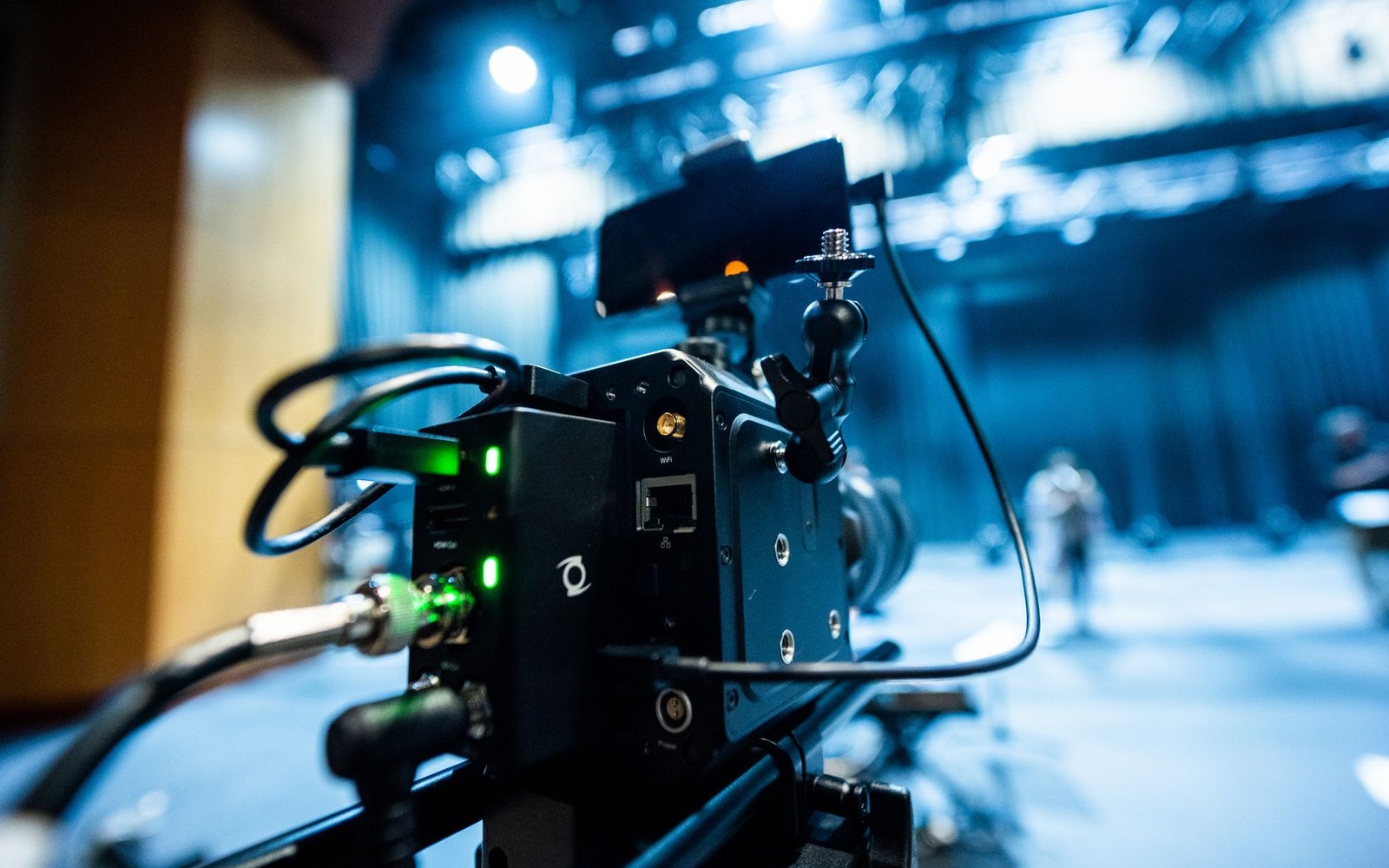
On 19 March 1979, a fixed camera in the chamber of the House of Representatives went live for the first time. No correspondent explained the proceedings. No anchor waited to interpret them. The feed ran from the opening gavel to the closing one, and the channel carrying it — the Cable-Satellite Public Affairs Network, C-SPAN — was going on the air for the first time that same day.
Brian Lamb, a former Pentagon public-affairs officer and broadcasting executive, had spent much of the 1970s arguing that cable television could carry government proceedings directly into living rooms without the mediation of a network news division. The cable industry, looking for a public-service rationale at a moment when Congress was scrutinising its franchising arrangements, agreed to fund the venture collectively. No single operator owned it; no advertiser paid for it. The channel's founding editorial policy was structural rather than stated: the absence of commentary was the editorial position. A camera fixed on the chamber floor, panning only when a member moved to speak, could not editorialize. C-SPAN's own institutional account of its founding confirms the March 1979 start date and Lamb's role as the network's first chief executive.
The first words carried on the channel belonged to Representative Al Gore of Tennessee, then in his first House term, who spoke briefly during that inaugural session. The image quality was modest and the audience was small — cable penetration of American households was still well below fifty percent in 1979 — but the signal was unimpeachable in one specific sense: it showed exactly what happened, for as long as it happened, in the order it happened.
C-SPAN expanded its model to the Senate on 2 June 1986, when that chamber voted to allow television cameras on a permanent basis after a trial period. A second channel, C-SPAN2, carried Senate floor proceedings on the same unmediated terms. A third channel was added in 2001 for additional public-affairs programming including call-in formats and archival material.

The financing model held across all three channels. The cable industry assessed operators a per-subscriber fee, and those fees covered operating costs. Pew Research Center's State of the News Media reports from the 2000s and 2010s consistently noted C-SPAN as an anomaly in the American media landscape: a television operation with no ratings pressure, no advertising dependency and no commercial motive to shorten, dramatise or editorially frame what it put on air. Whether Congress was debating farm subsidies or a declaration of war, the gavel opened the session and the gavel closed it.