Premium That Came With the Cable Bill
HBO Go arrived in 2010 as a streaming service you could only use if you were already paying for HBO — which meant paying for cable. That circular logic held for five years.
Dates on this page
- 2010
- 9 April 2015
- April 2015
- 2015
The Bundle Inside the Bundle
When HBO launched HBO Go in 2010, it was an authentication-gated app: enter your cable provider credentials, watch HBO's library on a laptop or tablet. No cable subscription meant no login, which meant no access. The product was, in effect, a digital benefit layered on top of an existing analogue relationship, and it made HBO's position in the media economy visible in a way a set-top box never had.
The economics behind that gate were straightforward. HBO reached roughly 28 million US subscribers at the time of HBO Go's launch, nearly all of them paying through a cable or satellite bundle. Those subscribers generated fees that flowed back through the distributor — a per-subscriber carriage rate HBO negotiated with providers like Comcast, Time Warner Cable and DirecTV. Unbundling HBO into a direct-to-consumer product would have meant renegotiating or abandoning those carriage agreements, threatening the revenue base that paid for the original programming that made HBO worth wanting in the first place.
The tension was not unique to HBO, but HBO made it legible because its brand was strong enough that millions of viewers were willing to name it specifically as what they wanted. Pew Research Center's State of the News Media and household-media tracking data documented the slow climb of streaming-only households through the early 2010s, as cord-cutting moved from a fringe behaviour to a measurable demographic shift. The bundle was losing households; the question was whether premium channels could survive outside it.
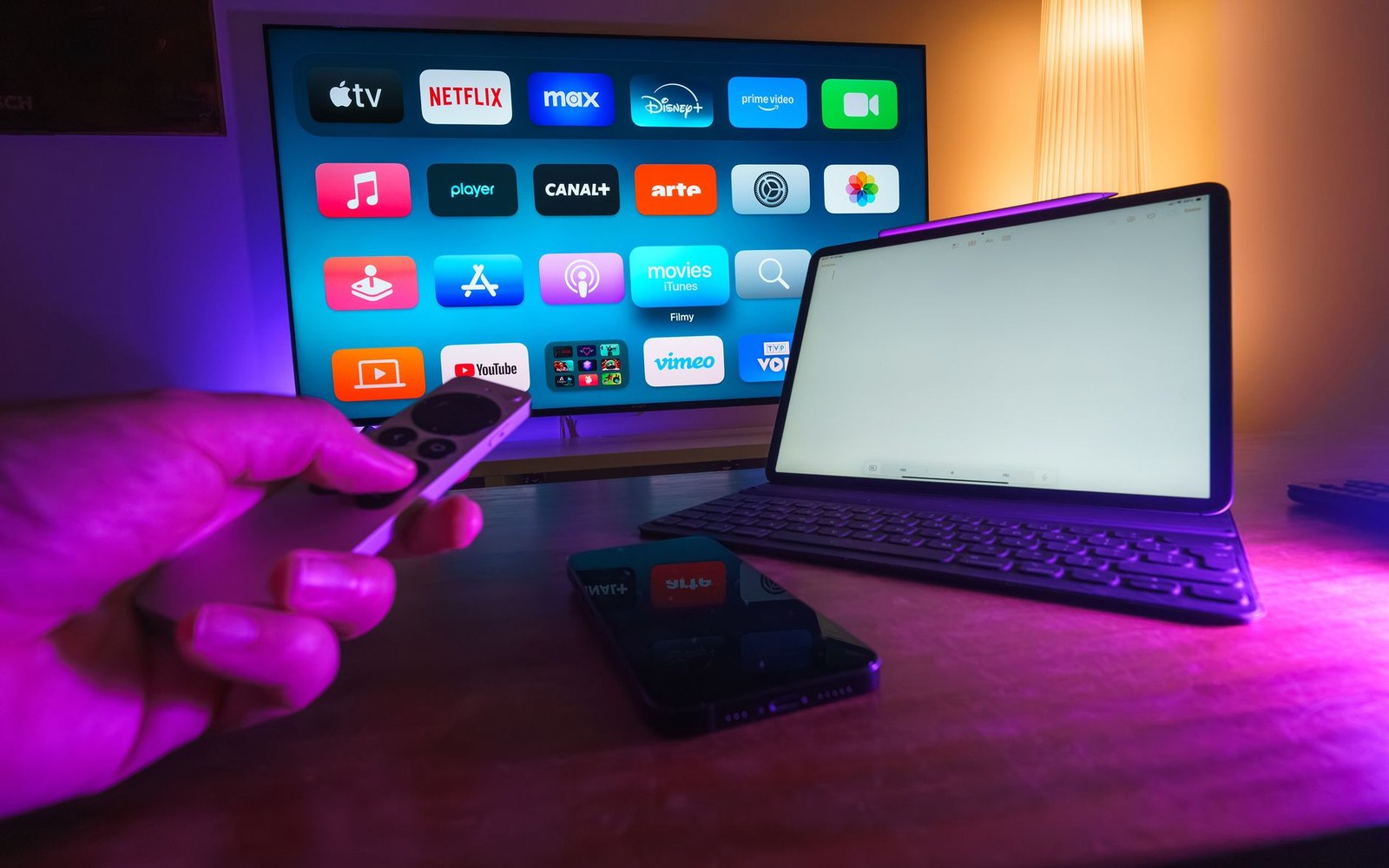
HBO answered that question in April 2015, when HBO Now launched as a standalone streaming subscription priced at $14.99 per month — no cable bill required. The timing was deliberate: the launch preceded the fifth season of Game of Thrones by days, giving the new service an immediate reason to sign up. Apple was announced as the exclusive launch partner, distributing the app through the App Store.
By the end of 2015, HBO reported that its combined domestic subscriber base — bundle and standalone together — had grown, though the company did not disclose what share had shifted to the direct channel. What the launch confirmed was that the authentication wall of HBO Go had been less a permanent strategy than a holding position, maintained for as long as the carriage economics made pulling away from the bundle too costly. Once streaming-only households reached a threshold that distributors could no longer ignore, the wall came down and a new price point replaced it.