Channel 10, Aurora, Illinois, 10:30 on a Saturday
The Cable Communications Policy Act of 1984 required operators to give the public a channel. What America did with it was stranger and more valuable than anyone in Washington had planned.
Dates on this page
- 1967
- 5 October 1969
- 19 March 1979
- 1984
- 1988
The Mandate Behind the Microphone
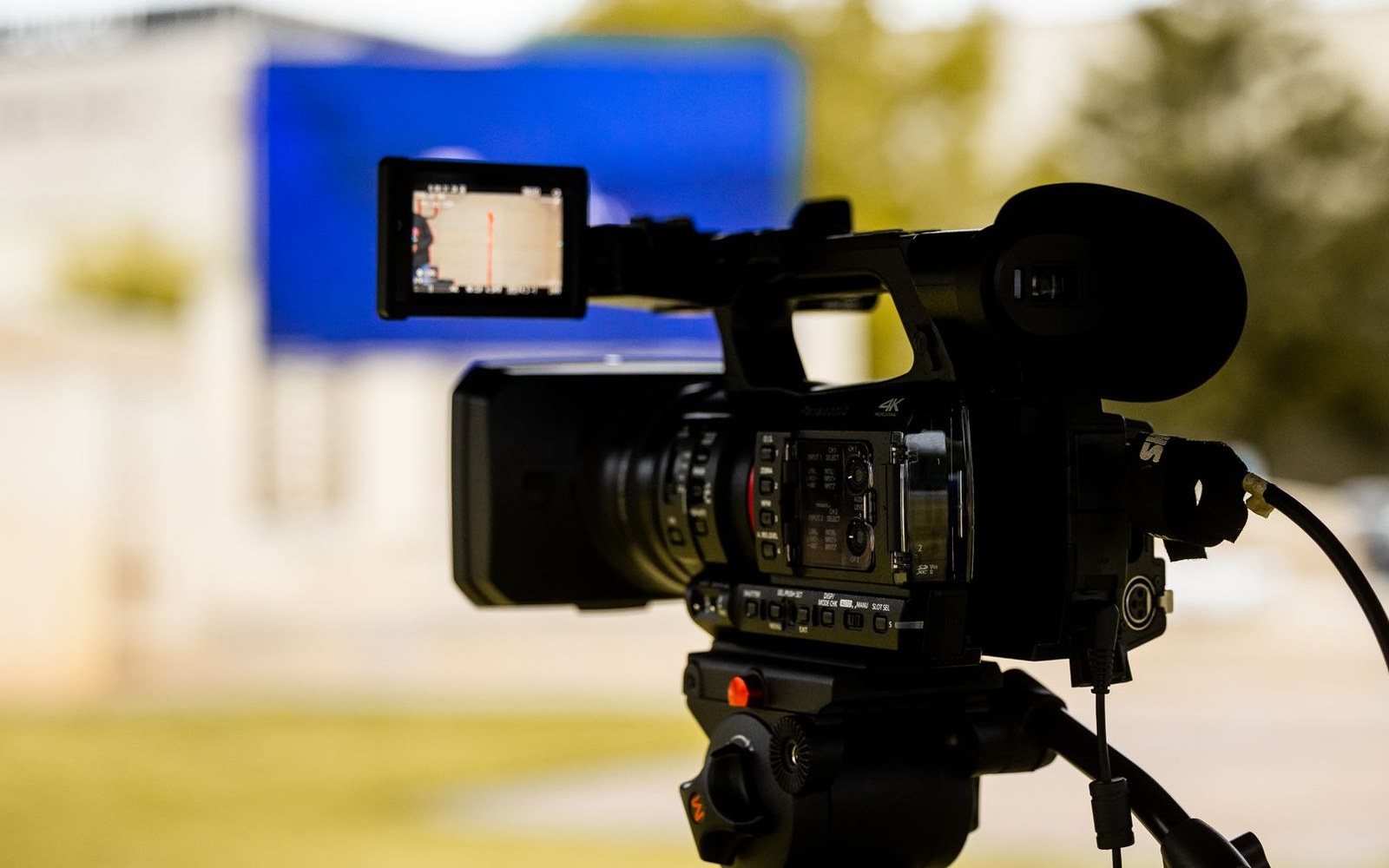
Congress did not invent public-access cable out of idealism. The Cable Communications Policy Act of 1984 codified what municipal franchise agreements had been negotiating individually for years: cable operators using public rights-of-way owed something back to the communities they served. The Act required franchising authorities — cities and counties — to include public-access, educational and governmental channels as conditions of operating licences. The legal label was PEG: Public, Educational, Governmental. The practical result was open time on local cable systems, available to any resident willing to show up with a project.
What showed up was sui generis. Municipal meetings and church broadcasts occupied the respectable hours. The rest of the schedule filled with local musicians, amateur wrestlers, self-taught theologians, teenagers with camcorders and community organisers who could not get ten seconds on a network affiliate. The production values were low, the audiences were small, and the unmediated quality was exactly the point. No editor, no advertiser, no station manager stood between the speaker and the cable box.
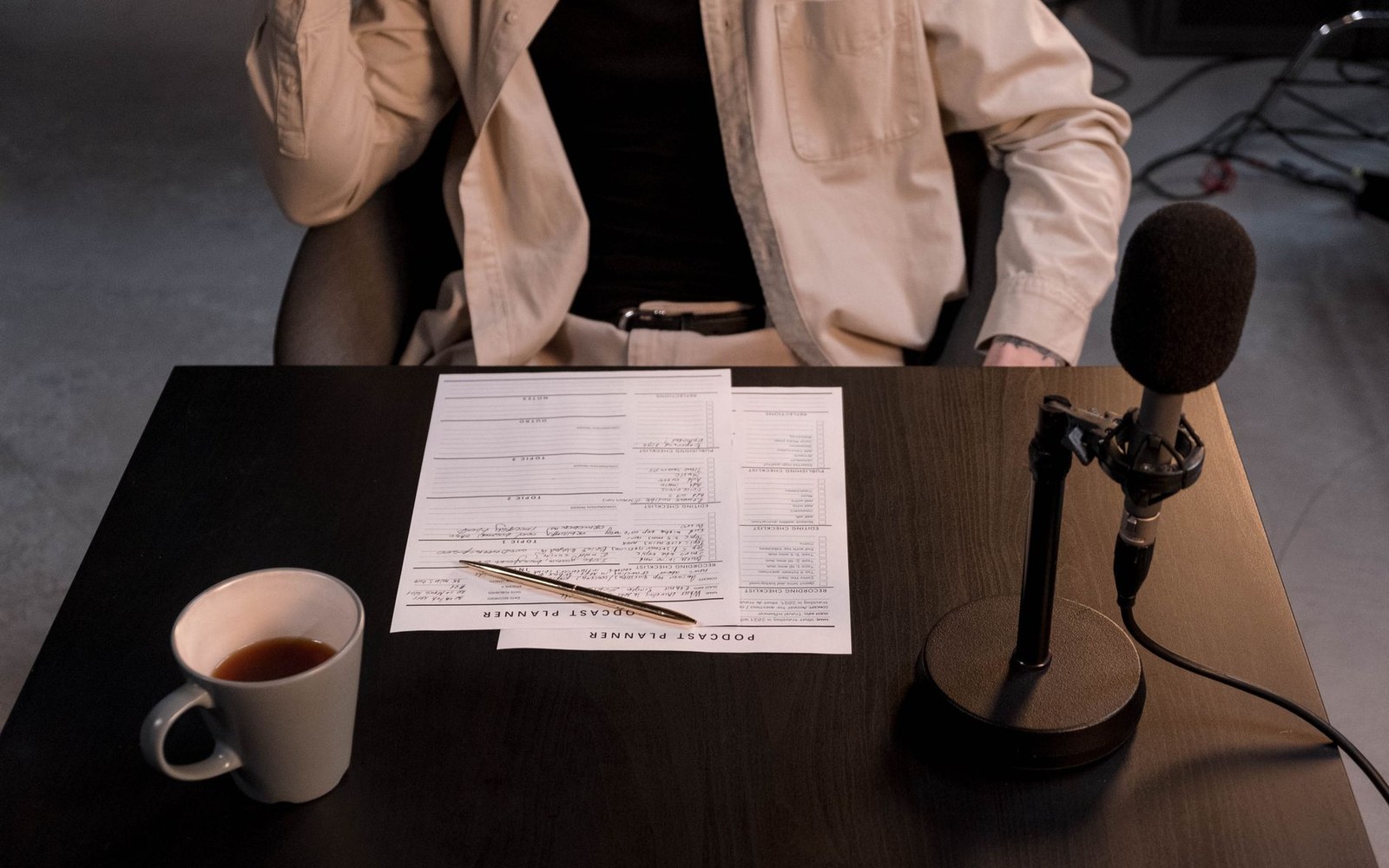
In Aurora, Illinois, Mike Myers and Dana Carvey translated that specific texture into comedy. Their "Wayne's World" sketches — two suburban teenagers hosting a public-access programme from a basement, 10:30 on a Saturday — captured the format's aesthetic faithfully enough to function as both parody and affectionate portrait. The bit moved from local performance to Saturday Night Live in 1989, and eventually to two studio films. That trajectory — basement cable to national franchise — said something real about what public access had put in the cultural air.
Two Parallel Mandates
Public-access cable did not arrive in a vacuum. By 1984, a prior model of publicly funded broadcasting had been running for fifteen years. PBS launched on 5 October 1969 as a network of non-commercial member stations, funded partly by the Corporation for Public Broadcasting, which Congress had established through the Public Broadcasting Act of 1967. PBS offered educational and cultural programming outside the commercial system, but it was still a broadcaster — curated, scheduled, professionalized. Public-access cable was something different: it removed the curator entirely and handed the schedule to whoever arrived at the studio door.
The cable industry, meanwhile, was constructing its own contribution to the public-affairs record. C-SPAN began broadcasting House of Representatives floor proceedings on 19 March 1979, funded not by government mandate but by the cable operators themselves as a demonstration of civic goodwill — and, less sentimentally, as a lobbying argument against regulation. C-SPAN carried proceedings without commentary, without graphics and without the editorial selection that network news applied to every clip it aired. The absence of mediation was the service. Where PBS professionalised public broadcasting and public-access cable radically democratised it, C-SPAN occupied a third position: institutionally produced, ideologically austere, politically useful to the industry that paid for it.
What the Channel Cost and What It Returned
The economics of public-access cable were deliberately kept negligible. Federal rules prohibited cable operators from exercising editorial control over PEG content, and franchise fees — capped under the 1984 Act at five percent of gross revenues — funded the studios, equipment and staff that made the channels operable. In some cities the infrastructure was genuinely useful: cities including Manhattan built multi-studio facilities with professional editing suites available to any resident who booked time.
The cultural return was harder to quantify but visible in retrospect. Indymedia's launch in Seattle in 1999 to cover the WTO protests carried the same structural assumption — give a person a camera and transmission and remove the gatekeepers — that public-access cable had been operating on since the 1970s. The internet simply lowered the cost of the channel to near zero. What the Cable Communications Policy Act had required by franchise negotiation, the open web made universal and unlegislated.
The Aurora basement remained the most memorable image of what had been mandated. That a parody could also be an accurate portrait was the point: public-access cable was genuinely, structurally weird, and Congress had made it so.