Every Weekday Since 1996
The daily news programme that started as an election special and never stopped.
Dates on this page
- 19 February 1996
- Early 2000s
- 2005 onward
- Ongoing
A Broadcast That Outlasted Its Original Format
Democracy Now! went on air for the first time on 19 February 1996, conceived as daily election-year coverage for Pacifica Radio stations. Amy Goodman, who had reported for Pacifica's WBAI in New York since the 1980s, became its founding host and executive producer. The plan was election coverage; what continued was a daily independent news hour that has broadcast every weekday since.
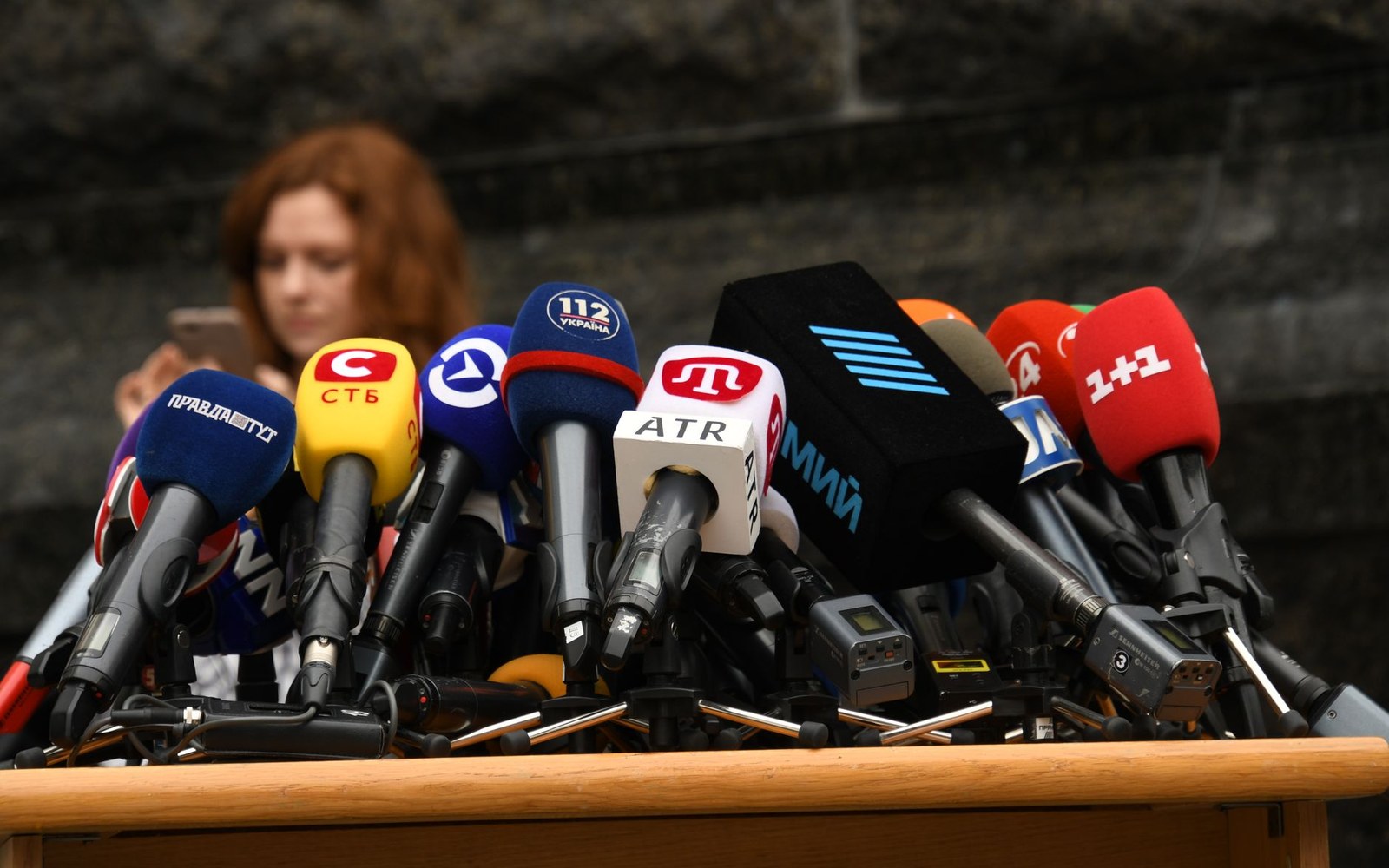
The programme's founding context matters. Pacifica, the listener-supported network that launched KPFA in Berkeley in 1949, already operated outside advertiser pressure by structural design. Democracy Now! inherited that model and eventually outgrew its original distributor. By the early 2000s the programme had negotiated carriage beyond Pacifica, moving onto public radio stations, public television outlets and community broadcasters across the country. Its own public statements have described distribution across more than 1,400 radio and television stations worldwide, a figure that reflects decades of incremental carriage deals rather than any single network launch.
The expansion into television and online distribution tracked the broader shift in independent media during the 2000s. When YouTube arrived in 2005, Democracy Now! was already posting full episodes online; the programme adapted podcast distribution as that format scaled, allowing individual episodes to reach audiences with no radio or television access at all. Funding throughout remained the same: listener contributions and grants from foundations, with no commercial advertising. That structure places it firmly within what the Institute for Nonprofit News classifies as a news nonprofit — a tax-exempt journalism organisation supported by donations and grants rather than advertising revenue.
Amy Goodman's role has been consistent and public from the first broadcast: she conducts the majority of interviews, anchors the daily hour and has received numerous press-freedom and journalism awards over the programme's run. The organisation has remained editorially independent of the foundation funders and institutional partners that carry it, a distinction it makes explicitly in its public material.
What Democracy Now! represents in press history is a particular kind of durability. The alt-weekly model collapsed under digital pressure; many listener-supported radio outlets contracted; several major newspaper chains entered Chapter 11. Democracy Now! kept publishing in the original sense — daily, on deadline, every weekday — by remaining outside the advertising economy that collapsed beneath competitors. The programme began before most of its current audience had heard of a podcast, a paywall or a streaming service, and its distribution format has simply expanded to meet each successive platform without depending on any of them for revenue.
That election-year special is now in its fourth decade of weekdays.